
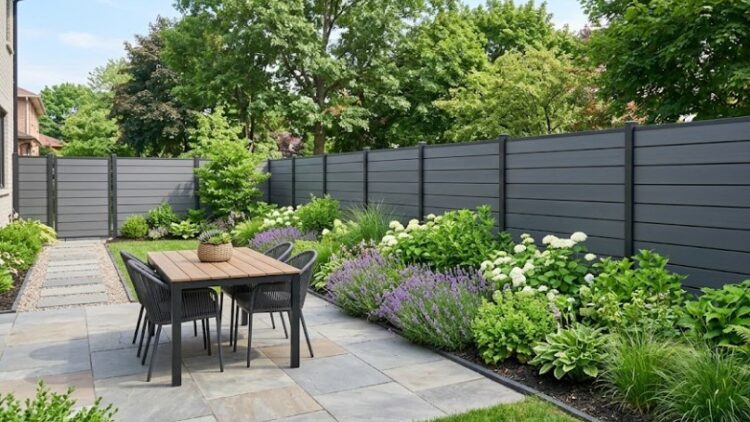
Why Composite Fencing Boards Are the Ultimate Choice for Your Garden
Are composite fence boards worth it? For many homeowners, the answer depends on budget, lifespan and how much upkeep you want to do. More often than not, this involves looking at a leaning boundary line, rotted timber posts, or panels bleached by the sun and battered by storms. Traditional timber looks fantastic when first installed, but keeping it that way requires endless cycles of painting, staining, and treatment.
If you are tired of the constant maintenance, upgrading to premium composite fencing boards offers a highly durable, modern, and visually striking alternative.
Engineered to endure harsh outdoor environments, composite fencing provides the authentic look of natural timber without any of the structural structural drawbacks. For homes in coastal or exposed regions across Blackpool and the wider Lancashire area, this material is quickly becoming the standard for modern garden design.
What Exactly Are Composite Fencing Boards?

Unlike standard timber panels, composite fencing boards are manufactured from a precise blend of recycled wood fibres and high-density plastics (usually polyethylene). This combination creates a material that exhibits the best characteristics of both components:
- The Beauty of Wood: It retains the natural texture, deep grain appearance, and warmth of authentic timber.
- The Resilience of Plastic: It provides complete resistance against rot, moisture absorption, insect infestation, and splintering.
The individual boards are typically designed with a tongue-and-groove profile. This allows them to slide seamlessly together into specialized posts, creating a solid, uniform fence line that is incredibly strong and completely private.
The Key Benefits of Making the Switch
1. True Low-Maintenance Living
With traditional wood fences, failing to apply a protective seal every one to two years guarantees rot and warping. With composite systems, your maintenance routine is reduced to virtually zero. There is no painting, no staining, and no sealing required. If the boards accumulate dirt or algae over the winter, a quick spray with a pressure washer or a wipe down with warm soapy water brings them right back to their original finish.
2. Exceptional Weather Resistance
Lancashire gardens see a fair share of intense weather, from heavy rain and high humidity to strong coastal winds off the Irish Sea. Standard timber panels are highly porous; they absorb moisture, expand, and eventually crack or warp under stress. Composite fencing boards are entirely moisture-resistant, meaning they won’t warp, split, or rot, regardless of how wet the season gets.
3. Long-Term Value and Sustainability
While the upfront cost of composite materials is higher than budget lap-panel timber, the long-term investment is significantly lower. When you factor in the cost of fence treatments, replacement panels, and the labor required to repair storm damage over a 10 to 15-year period, composite easily pays for itself. Furthermore, because most premium boards utilise recycled wood and plastics, they prevent waste from hitting landfills, making them an eco-friendly choice for sustainable landscaping.
Furthermore, choosing sustainable materials is highly backed by UK environmental groups. Organizations like the Waste and Resources Action Programme (WRAP) highlight how scaling up the use of recycled plastics actively drives the UK towards a circular economy. Additionally, the Royal Horticultural Society (RHS) actively champions low-carbon gardening by encouraging homeowners to select ultra-durable, long-lasting alternatives over short-life timber items that require frequent, chemically heavy replacements.
Creative Design Options for Modern Backyards
Composite fencing is not just a structural upgrade; it is a major design statement. Because the boards are uniform, they work beautifully in contemporary landscaping projects:
- Sleek Horizontal Lines: Installing the boards horizontally creates a modern, sleek aesthetic that can make smaller gardens feel significantly wider and more open.
- Contemporary Colour Palettes: Forget the standard orange-fencing stain. Composite comes in highly sought-after architectural shades like anthracite grey, charcoal, deep brown, and natural oak.
- Retrofitting Existing Posts: Many tongue-and-groove composite boards are designed to slot directly into existing concrete fence posts, making it easier than ever to upgrade your current boundary without digging up the garden.
| Feature | Traditional Timber Fencing | Composite Fencing Boards |
| Lifespan | 5–10 years (with maintenance) | 20+ years |
| Annual Maintenance | High (Staining, painting, sanding) | Extremely Low (Occasional wash) |
| Moisture Resistance | Porous (Prone to rot and warping) | 100% Waterproof |
| Colour Retention | Fades quickly to grey without treatment | Highly UV-stable |
Invest in a Long-Lasting Garden Boundary
Your garden should be a space for relaxation, not a never-ending list of property maintenance tasks. Upgrading to a composite fencing system ensures your garden looks pristine, modern, and completely secure all year round, giving you a boundary that is truly built to last against the British weather.
If you want to view high-quality building products, source internal complements for your next home project, or get professional advice on durable materials for your property, we’ve got varietry of products tailored to your needs.
Planning a full property overhaul or have specific technical questions about installation? Don’t hesitate to reach out directly via our dedicated Celplas Contact Page to discuss your project with the team.
Frequently Asked Questions
Are composite fence boards worth it?
For most gardens, yes. They cost more than timber at the start, but they never need painting, staining or treating and they will not rot, so the long-term cost is often lower.
Composite vs timber fence boards: what is the difference?
Timber is cheaper up front but needs regular treatment and can rot, warp and split. Composite boards blend recycled wood fibres with plastic, so they keep a wood look while resisting moisture, insects and splintering.
How long do composite fence boards last?
Composite boards do not rot or split like timber, so with occasional cleaning they last many years longer than a typical softwood fence. Check the warranty on the specific board you choose.
Do composite fence boards need special posts?
Yes. The boards have a tongue-and-groove profile that slides into matching composite or aluminium posts, which creates a solid, private fence line.