
Is Ogee Guttering Worth It For Long Term Use?
Is Ogee Guttering Better?
If your existing gutters are sagging, overflowing in heavy rain, or simply look tired against your roofline, it might be time to consider ogee guttering. This traditional, high-capacity rainwater system is one of the most popular choices for UK homes, and it is easy to see why once you understand how it performs. In this guide we will explain what ogee guttering is, how it compares with other profiles, how to fit it correctly, and which mistakes to avoid along the way.
What Is Ogee Guttering?
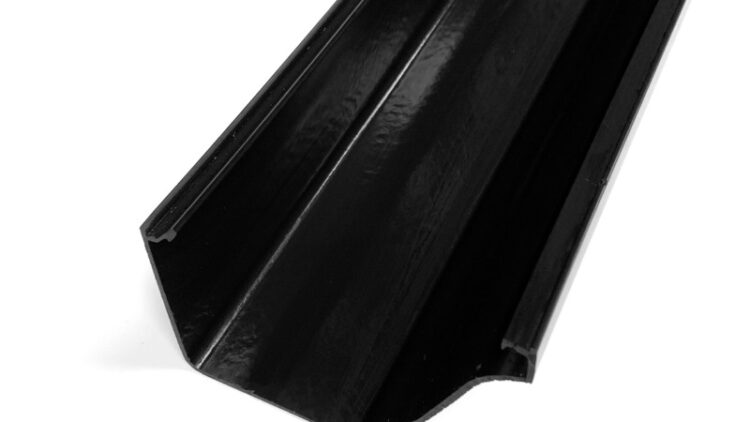
Ogee guttering is a decorative, high capacity uPVC rainwater system with a distinctive moulded profile. Unlike plain half round guttering, it has a flat back and a curved, stepped front edge that gives it a more traditional appearance. This makes it especially popular on period properties, though it works just as well on modern builds where a smarter roofline finish is wanted.
Because of its shape, the system can carry a larger volume of rainwater than standard round profiles of a similar size. This makes it a practical choice for larger roof areas, bay windows, and properties in regions that see frequent heavy downpours. The design also allows it to sit neatly against a fascia board, giving a tidy, professional finish once fitted.
Most homeowners recognise the style even if they do not know the name. It has been used on British roofs for decades, originally in cast iron, and the uPVC version keeps the same look while removing the weight, rust and repainting that older systems demand.
Why Choose Ogee Guttering for Your Home
There are several reasons homeowners and builders across the UK choose this profile over other rainwater systems.
- High flow capacity, ideal for larger roof areas and heavy rainfall
- A decorative, traditional profile that suits both period and modern properties
- Manufactured from strong, lightweight uPVC that resists corrosion, weathering and impact damage
- Quick and straightforward installation compared with cast iron alternatives
- Low maintenance, with no painting or rust treatment required
- A long service life even in exposed, coastal or heavy rainfall areas
Ogee guttering is available in black or white to suit most roofline colour schemes, and every component, from unions to stopends, is designed to clip together for a neat, watertight finish. Because the whole system uses matching brackets, angles and outlets, there is no need to mix and match parts from different ranges.
Ogee Guttering Compared to Other Systems
Capacity and Performance
Square guttering gives a modern, boxy look with strong flow rates, while half round guttering is the simplest and most budget-friendly option on the market. Ogee guttering sits between the two, offering high flow capacity similar to square systems but with a far more traditional finish. For a typical semi-detached or terraced roof, it will usually cope comfortably with normal UK rainfall, and larger diameter options are available for bigger roof areas or exposed sites.
Appearance and Style
The moulded, stepped profile is what sets this style apart visually from every other guttering type. It mimics the look of older cast iron systems without the weight, cost or ongoing maintenance, which is why it remains a favourite for period-style renovations, listed buildings and heritage refurbishment projects where appearance matters as much as performance.
Cost Considerations
Square and half round guttering are usually slightly cheaper to buy, but ogee guttering often works out more cost effective over time. Because uPVC does not rust, warp or need repainting, there is little ongoing spend once it is installed, unlike the timber fascias and cast iron systems it commonly replaces.
Installing Ogee Guttering: A Step-by-Step Guide
Fitting this system is straightforward for a confident DIYer, though larger or multi-storey properties may benefit from a professional installer. Here is the general process most trade fitters follow.
- Remove the old guttering and check the fascia board is sound before fitting new brackets
- Mark a gentle fall along the fascia towards the outlet, roughly 1 in 350 to 1 in 600
- Fix the brackets at 1 metre intervals, or closer together on longer or exposed runs
- Clip the gutter lengths into the brackets, leaving a small gap at joints for thermal expansion
- Fit unions, angles and stopends, then attach the downpipe securely to the outlet
- Check the finished run with a spirit level and adjust brackets if any section holds water
Always check that runs are supported evenly and that outlets sit at the lowest point, so water clears quickly during heavy rain rather than pooling in the gutter and adding unnecessary weight to the brackets.
Choosing the Right Ogee Guttering Components
A full system is made up of more than just the gutter length itself. You will also need internal and external angles for corners, running outlets to connect the downpipe, unions to join straight lengths, and stopends to close off runs. Matching all your ogee guttering parts from the same range keeps the profile consistent and ensures a watertight fit at every joint.
At Celplas we stock a full range of PVC guttering, including ogee guttering in black and white, so you can source every fitting for the job in one order. We offer free delivery over £100 and next-day delivery on most guttering orders, which helps keep refurbishment projects moving without delay. If you are unsure how many brackets, angles or stopends a particular run needs, our team can talk you through the measurements over the phone. For further background on the legal side of rainwater drainage, the government’s Approved Document H guidance is a useful reference point for larger projects.
Common Mistakes to Avoid With Ogee Guttering
A few simple errors can undermine an otherwise good installation.
- Fitting brackets too far apart, which allows the gutter to sag over time
- Ignoring the fall, resulting in standing water and algae build-up
- Mixing components from different manufacturers, which can affect the seal at joints
- Skipping expansion gaps at unions, which can cause splitting in hot weather
- Leaving debris in the gutter, which restricts flow and adds unnecessary weight
- Choosing an undersized downpipe, which cannot keep pace with a high capacity gutter run
Taking care over these details during installation will help ogee guttering perform well and look good for years to come, with very little maintenance beyond an occasional clear-out of leaves and debris.
Maintaining Your Guttering
One of the biggest advantages of this system is how little upkeep it needs. A twice-yearly clear-out, ideally in spring and autumn, is usually enough to keep water flowing freely. Check brackets periodically for any movement, and inspect joints and unions for signs of leaking after heavy storms. Because the material will not rust or rot, most issues come down to blockages or a bracket working loose rather than the guttering itself failing.
Frequently Asked Questions
Does ogee guttering suit modern houses as well as older ones?
Yes. While the profile has traditional roots, the clean lines and choice of black or white finish work well on new builds too, particularly where a smarter, more defined roofline is wanted rather than a plain round profile.
Can I mix ogee guttering with existing fascia and soffit boards?
In most cases yes, as long as the fascia is sound and the brackets are compatible. If the fascia is damaged or rotten, it is worth replacing it at the same time as fitting new guttering to avoid redoing the work later.
How long does ogee guttering typically last?
uPVC guttering of this type commonly lasts twenty five to thirty five years with only basic cleaning, since it does not rust, warp or need repainting the way older cast iron or timber systems do.
Ready to Get Started
Whether you are replacing a failing system or fitting ogee guttering to a new build, choosing the right components makes all the difference to the finished result. Send us a message online or call 01253 591 717 to speak with one of our product specialists.